Thinking About Starting Sex Therapy? A Sex Therapist’s Recommended Books on Intimacy, Desire, and Connection
By Brittany MacCartney RCC, CHST, RP (qualifying)
Starting sex therapy can feel vulnerable, especially if you are unsure what to expect. Many people looking for sex therapy in Vancouver or Ottawa tell me they want to better know about their own biology or sexual functioning.
Books can be a gentle place to start.
Whether you are considering couples sex therapy, working through low desire, navigating painful sex, or exploring your relationship with sexuality, these books offer compassionate and thoughtful perspectives that many clients find helpful before starting therapy.
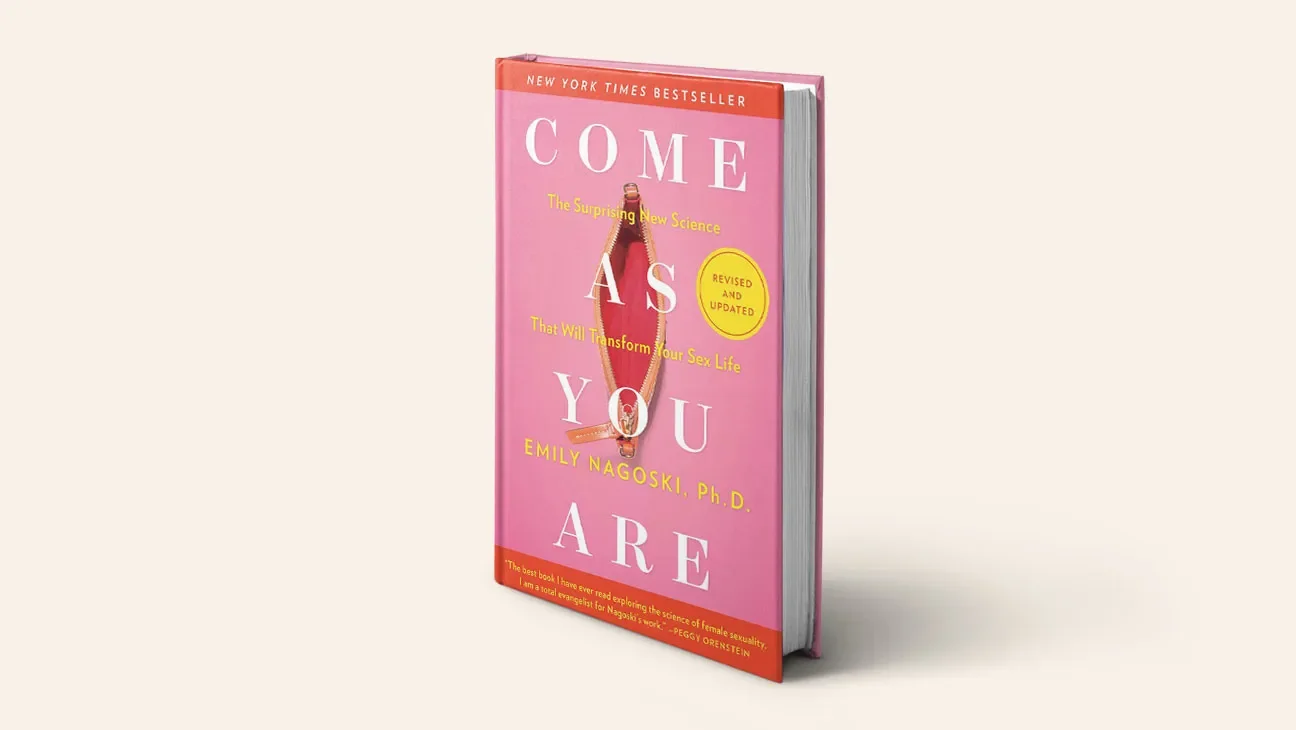
Come As You Are by Emily Nagoski
If you are a sex therapist reading this, you already knew this would be top of the recommended list before even opening the link.
This book is THE book of choice of sex therapists and that is for a very good reason. Emily Nagoski is the leading researcher in all things sex and psychology. This one of her novels (we will look at her second novel next) covers a range of topics including:
how stress impacts sexual desire and arousal
the difference between spontaneous desire and responsive desire
sexual shame and self-judgment
body image and self-compassion
why emotional safety affects intimacy
how relationships, culture, and expectations shape sexuality
These are really key concepts every sex therapist will discuss and refer to. For some clients having already read or reading this alongside therapy allows them the language to talk about what they have been feeling the whole time!
For me, I often recommend this novel to clients that are worried that something is sexually “wrong” with them. I often hear how this book has rewritten how an individual views themselves sexually, a shame salve if you will.
In fact, I would recommend giving her website a gander while you are at it! It is full of great resources!
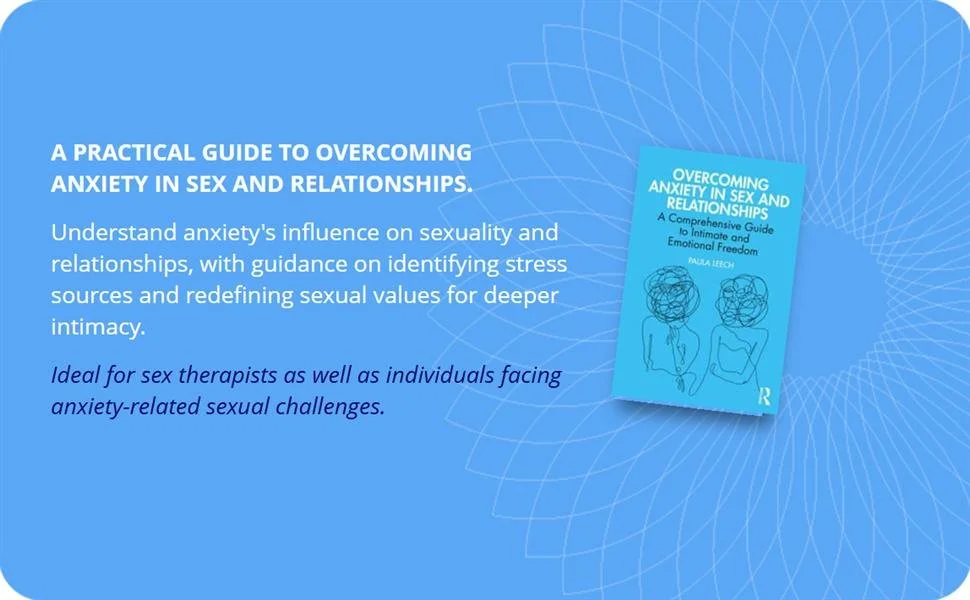
Overcoming Anxiety in Sex and Relationships: A Comprehensive Guide to Intimate and Emotional Freedom by Paula Leech
If you are from the PNW then you have heard of Paula Leech. She has a stellar reputation as a sex therapist across the west coast and offers amazing workshops and facilitations ranging from sensate focus to countertransference in sex therapy, really great stuff!
Her novel, like her reputation, is quite excellent. The novel offers a comprehensive guide and delivers on that promise tenfold. This is my personal go-to to recommend to all my clients on my waitlist who tell me they are struggling. Many clients report finding a deeper understanding of how anxiety shows up in their bodies, relationships, and sexual experiences after reading it, especially in moments where they have previously felt “stuck” or unsure why intimacy feels so difficult.
What I appreciate most about this book is how it bridges the gap between education and lived experience. The book methodically (in a good way) explore the common concerns clients express in sex therapy and explains and breaks down the role of anxiety in a digestible fashion that is easy to follow and understand.
Clients often tell me it helps them:
make sense of their nervous system responses during intimacy
reduce self-blame about sexual “performance” or desire
understand how stress and emotional pressure impact connection
feel less alone in their experiences of avoidance or shutdown
I find this book never gets dusty on my shelf as I am always taking it down to show my clients.
You can find Paula and her novel here.
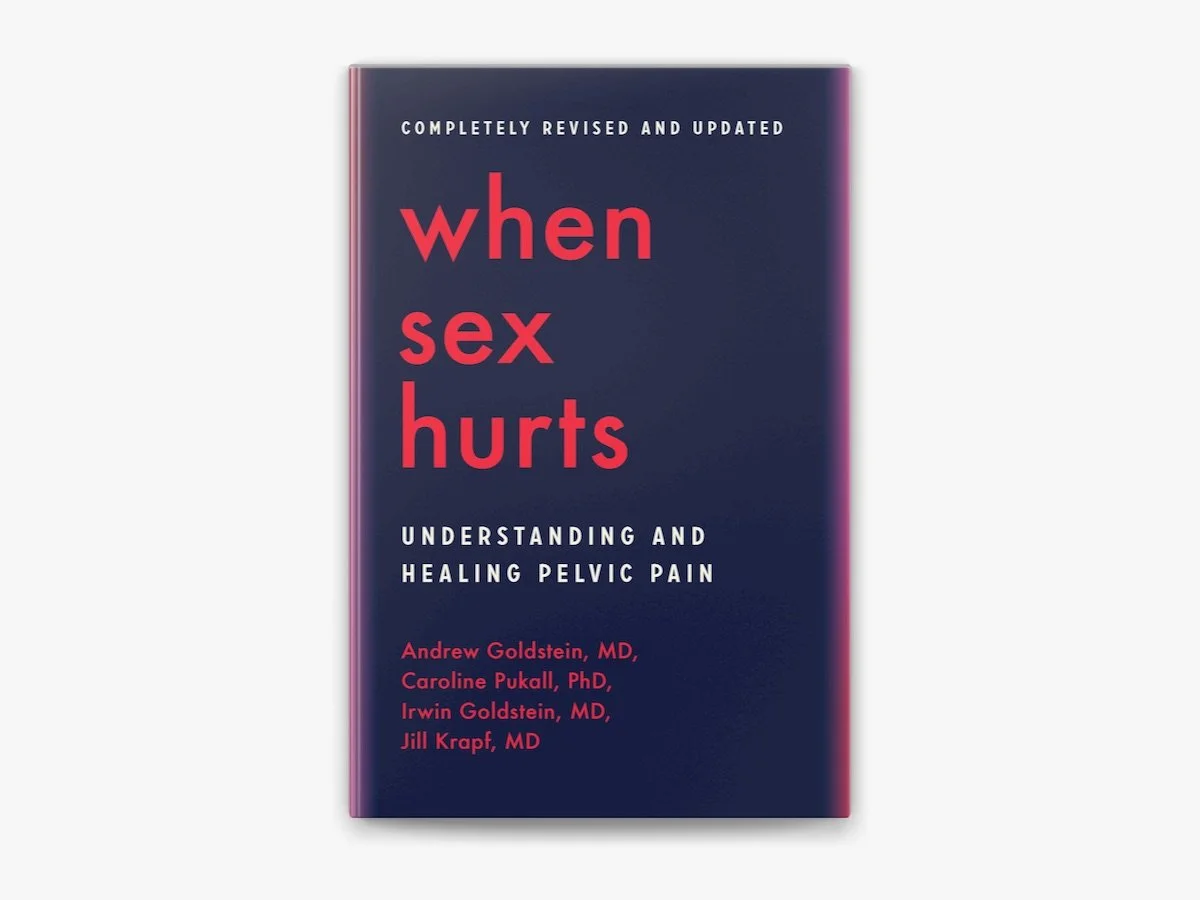
When Sex Hurts: Understanding Painful Sex With Compassion by Andrew Goldstein, Caroline Pukall, Irwin Goldstein, and Jill Krapf
Painful sex can feel confusing, isolating, and emotionally exhausting. Many people silently wonder:
“Why does sex hurt?”
“Is something wrong with me?”
“Will intimacy always feel this stressful?”
“What if I fear any kind of touch with my partner now?”
For some people, pain during sex is occasional. For others, intimacy becomes associated with fear, pressure, anxiety, or avoidance over time.
This book offers a compassionate and validating understanding of painful sex, pelvic pain, vaginismus, vulvodynia, and anxiety surrounding intimacy. Many readers feel relief realizing how it is both common and treatable, that alone can help loosen the ole pelvic floor!
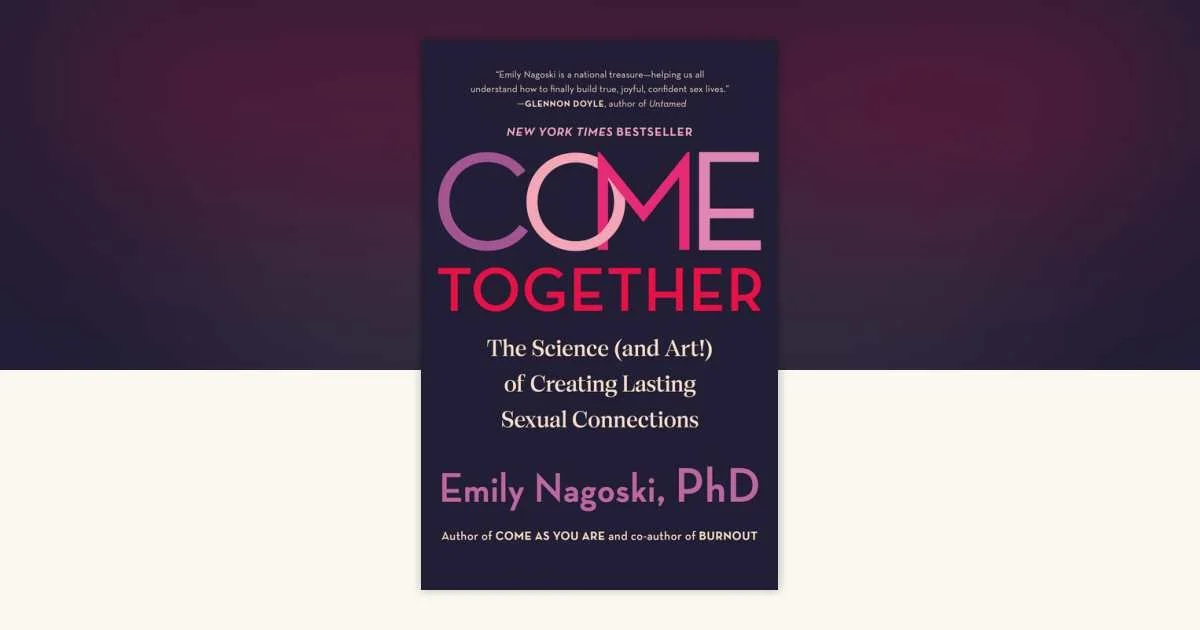
Come Together: The Science (and Art!) of Creating Lasting Sexual Connections
We have, by no surprise, arrived back at yet another Nagoski treasure.
So many of my clients both individual and couples alike ask me: “what happened to our sex life?”
At the beginning of relationships, intimacy can feel effortless. Desire may feel spontaneous, exciting, and easy to access. As things shift many people begin to worry that something is wrong with them or their relationship.
One of the things I appreciate most about Come Together is that it gently challenges the idea that long-term desire should always look effortless or constant. Instead of promoting pressure or unrealistic expectations, Nagoski explores how couples can create sustainable and meaningful intimacy over the years.
This book is especially helpful for:
couples navigating mismatched desire
people experiencing low desire in long-term relationships
partners feeling emotionally disconnected
individuals struggling with shame around changing sexuality
couples wanting to deepen emotional intimacy and communication
As a sex therapist, I often recommend this book because it moves away from blame and toward curiosity. Rather than asking:
“How do we get back to how things used to be?”
it encourages couples to ask:
“How do we create intimacy that fits who we are now?”
For people considering couples therapy or sex therapy, Come Together can be a compassionate starting point for understanding how emotional connection, stress, communication, nervous system regulation, and desire al get thrown into the blender interact within long-term relationships.
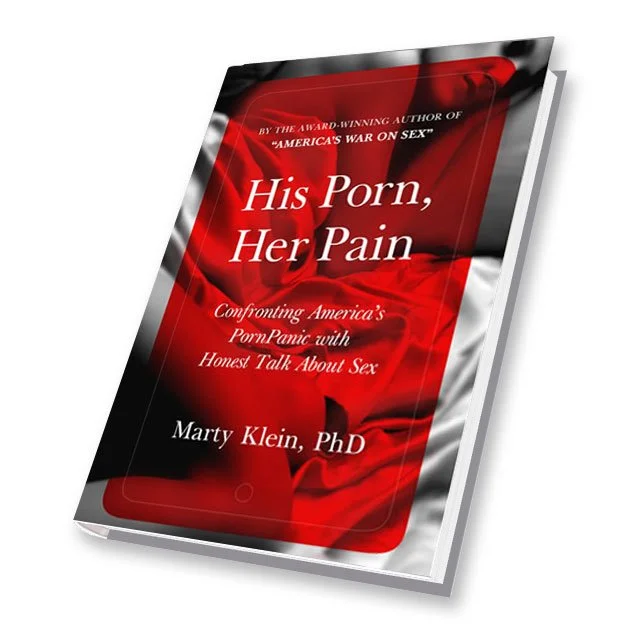
His Porn, Her Pain: Confronting America's PornPanic with Honest Talk about Sex by Marty Klein
As a sex therapist, one of the most common and emotionally charged concerns I hear from individuals and couples is some version of:
“Porn is affecting our relationship and I do not know what to do, should I ask them to stop watching?.”
“I feel like my porn watching is out of control and I do not have a healthy relationship with it.”
This is where His Porn, Her Pain becomes a valuable resource.
This book explores the misunderstandings and emotional pain that can arise in relationships where pornography use becomes a source of conflict. Rather than taking a simplistic or polarized stance, it invites a deeper conversation about communication, sexual shame, relational expectations, and how couples often struggle to talk openly about sexuality.
What I appreciate most about this book is that it shifts the focus away from blame and toward understanding. It recognizes that when couples are in distress about pornography, the real issue is often not just the behaviour itself. The book, and sex therapy itself, explore what porn truly represents for the clients including:
disconnection
insecurity
desire discrepancies
unmet relational needs
For many clients in sex therapy, this book can be a helpful start to unpacking views and beginning to have more honest conversations with one another.
Marty Klein also has an amazing website with great resources you can find HERE.
Final Thoughts
Who wouldn’t want to curl up next to the fireplace with a good book exploring sex, intimacy, pelvic floor pain, and porn?
Books like Come As You Are, Come Together, When Sex Hurts, or His Porn, Her Pain can be incredibly helpful for education and normalization. They often help people feel less alone, give language to experiences that feel confusing, and open up new ways of thinking about intimacy, desire, pain, porn use, and relational conflict.
However, reading about sexuality is not the same as working through it in real time with a trained professional.
Sexual concerns are often deeply connected to emotional patterns, nervous system responses, attachment dynamics, relationship history, trauma, shame, and communication patterns. These layers can be complex.
Sex therapy provides something books cannot:
a space to explore your unique story in context
support navigating emotional reactions as they arise
help with communication between partners in real time
personalized guidance based on your experiences
attuned support for shame, anxiety, or avoidance patterns
Books can absolutely be a powerful starting point and a supportive companion to therapy.
TLDR: books inform, but therapy transforms. Lame catch phrase but a pretty solid summary.
About Brittany MacCartney RCC, CHST, MCP, RP (Qualifying), Sex Therapist
Brittany MacCartney is a registered sex therapist and psychotherapist working with individuals and couples navigating intimacy, sexual wellbeing, desire differences, painful sex, anxiety, and relationship challenges
She offers sex therapy to clients in Vancouver and across British Columbia and Ottawa and across Ontario both online and in-person, supporting people in building more fulfilling, connected, and authentic intimate lives